Mold Removal Gainesville FL — Licensed Inspection, Testing & Remediation
If you smell a musty odor in a closet, see dark spots on a bathroom ceiling, or just pulled up soaked carpet after a leak, Gainesville Restore can help. We evaluate affected areas and moisture conditions, explain the recommended scope, and address mold contamination for homes and businesses in Gainesville and throughout Alachua County.
Mold removal Gainesville FL is not a cosmetic fix — it is a documented health and structural emergency. Mold spreads through airborne spores that colonize any damp surface within 24 to 48 hours of a water event. A 2021 study in Indoor Air found that 47 percent of U.S. homes show active mold or moisture damage. Florida ranks among the highest-risk states due to year-round humidity, aging housing stock, and frequent storm events.
After Hurricane Katrina in 2005, the CDC documented mold contamination in more than 46,000 Louisiana homes, directly linked to a spike in respiratory illness. The EPA and the American Industrial Hygiene Association both set a zero-tolerance standard: any growth over 10 square feet requires professional containment, removal, and post-clearance air testing. Key precautions include fixing leaks within 24 hours, keeping indoor humidity below 60 percent, and venting exhaust fans outside. At Gainesville Restore, every job starts with a written scope and closes with an independent clearance report.
✔ Licensed & Certified
Why We’re the Best Choice for Mold Removal in Gainesville, FL
Gainesville Restore is built on one principle: licensed, documented, and straightforward. Every job comes with a written scope before work starts, licensed technicians on-site, and an independent clearance report when it’s done. No verbal summaries. No surprises. If you smell mold, see staining, or had a recent water event, the window to act is shorter than most people realize — from the first call to the final clearance report, every step is documented so you have proof the problem was properly resolved. That is the standard every Mold Removal Gainesville FL job should be held to.
24/7 Emergency Mold Removal Response
Mold spreads fast. We answer every call and arrive ready to contain on the first visit. Your first call gets you a real person, not a voicemail. In Gainesville’s humid subtropical climate, mold can begin spreading within 24 to 48 hours of a water event. That window is tight — waiting until business hours almost always means more contamination and a bigger remediation bill.
Experienced, Certified & Licensed Mold Removal Team
Active Florida mold licenses under Chapter 468, verifiable at myfloridalicense.com before we set foot in your home. Our technicians are trained to the IICRC S520 Standard for Professional Mold Remediation and know the moisture patterns common to Gainesville’s older housing stock, UF-area rental properties, and crawl space conditions typical across Alachua County.
Professional Mold Removal Services & Detailed Reports
Timestamped photos before, during, and after. Moisture readings and written reports — documentation insurance adjusters actually need. We record moisture readings at multiple points throughout the affected area and provide a written report covering what was found, what was removed, what was treated, and what the final air and surface readings showed.
Safe & Effective Mold Removal Process
Polyethylene containment, negative air pressure, HEPA scrubbers rated to 0.3 microns — every step per EPA guidelines. Contaminated porous materials are double-bagged and removed per EPA guidelines. Remaining surfaces are treated with EPA-registered antimicrobial solutions, and post-clearance air testing confirms the area is clear before containment comes down.
Affordable Mold Removal & Insurance Options
Firm price before a single tool is unpacked. We provide the cause-and-extent documentation insurers require to process a claim. Florida homeowners insurance policies often cover mold removal when the cause was a sudden, covered event like a burst pipe, roof leak, or storm damage. We provide exactly the cause-and-extent documentation that insurance adjusters require, including moisture readings, photos, and a clear scope of work.
Reliable Mold Removal Backed by Satisfaction Guarantees & References
Ask us for references from recent Gainesville jobs before we start. If mold returns in an area we treated, we come back at no charge. Post-remediation verification by an independent assessor confirms the area is clean and gives you a signed clearance report you can keep on file for insurance, real estate, or peace of mind.
What is the difference between mold removal and mold remediation?
Mold removal is physically taking away visible mold. Mold remediation is the full process — finding the moisture source, containing the work zone, removing contaminated material, treating what remains, drying to confirmed moisture readings, and verifying clearance with independent air sampling. Removal without remediation usually means the mold comes straight back.
What Gainesville Homeowners Say
Every job closes with a signed lab clearance report. Here is what our clients say about the experience.
“Found black mold in our crawl space after a slab leak. Gainesville Restore came out the same day, explained exactly what needed to happen, and had a written scope ready before anyone touched anything. Clearance test passed first try. No surprises.”
“Used them for a pre-purchase mold inspection on a Duck Pond home. Thorough thermal imaging, air samples, and a written report my realtor was able to use in the negotiation. Saved me significant money on the purchase price.”
“After Hurricane Idalia we had water in the attic and two bedrooms. They extracted the standing water, dried the structure, and tested air quality every day. Insurance adjuster had no problems with the documentation. Highly recommend.”
Licensed Mold & Restoration Services in Gainesville FL
Every service follows a documented protocol with independent verification. Licensed under Florida Chapter 468 and IICRC standards across all service lines.
Gainesville & Surrounding Areas We Serve
We provide mold removal, remediation, and water damage restoration across Gainesville and Alachua County.
Trusted Mold Removal Gainesville FL Professionals Team
Gainesville Restore is a licensed, owner-operated company and the trusted name in Gainesville mold removal for homeowners and property managers across Alachua County since 2014. James Whitfield, our founder, spent 12 years in water damage restoration across North Central Florida and started this company after seeing too many homeowners receive incomplete mold jobs with no documentation to show their insurer, real estate agent, or next tenant. Every job starts with a written scope before work begins — and we do not subcontract the mold work.
We hold active Florida Mold Remediator licenses under Chapter 468, carry general liability and pollution insurance, and train to the IICRC S520 standard. We work on older Alachua County homes, UF-area rental properties, Duck Pond historic homes, crawl space properties, post-storm water damage jobs, and commercial spaces throughout the Gainesville metro — including Alachua, High Springs, Newberry, Archer, Micanopy, Jonesville, and Waldo. When we close a job, you receive timestamped photos, moisture readings, and a signed independent clearance report — the documentation your insurer, real estate agent, and next tenant can actually use.
Our technicians receive training based on the IICRC S520 Standard for Professional Mold Remediation and are familiar with the moisture and building patterns common across Gainesville homes and rental properties.
License Type: Mold Remediator | License #: MRSO0019022 | Verify our Florida license on the DBPR site
Why is mold such a common problem in Gainesville, FL?
Gainesville sits in a subtropical climate zone where outdoor humidity regularly exceeds 70 percent and afternoon thunderstorms bring frequent moisture events from May through September. Add older housing stock near UF, fast-turnover student rentals in neighborhoods like Duckpond, Linton Oaks, and Bivens Arm, and the conditions for mold growth are near-constant throughout Alachua County.
How much does mold removal cost in Florida?
Most Florida homeowners pay between $1,500 and $6,000 for professional mold removal, with a national average around $2,300 to $2,400. Gainesville jobs typically run $10 to $25 per square foot of affected area. Attic and crawl space jobs — common in Alachua County — can reach $4,000 to $7,000. Every Gainesville Restore estimate is firm and written before a single tool is unpacked.
Will my homeowners insurance cover mold removal?
Often yes — but only when mold results from a sudden, covered event like a burst pipe, roof leak, or appliance failure. Florida homeowners insurance policies typically exclude mold caused by ongoing moisture or neglect. We provide the cause-and-extent documentation your adjuster needs: moisture readings, timestamped photos, and a written scope of work that clearly ties the mold to the covered event.
Is professional mold removal worth it?
Yes — especially in Gainesville’s humid climate where mold returns within weeks if the source is not properly eliminated and the area is not clearance-tested. DIY cleaning on porous materials like drywall or wood typically spreads spores rather than removing them. A licensed professional with HEPA containment, antimicrobial treatment, and independent post-clearance air testing gives you documented proof the problem is resolved — not just treated on the surface.
6 Step Documented Process
Our Gainesville Mold Removal Process
Mold remediation follows a strict documented sequence — skipping steps is how mold comes back. We inspect before we touch, contain before we cut, and test before we clear. Every step is photographed and recorded, following the EPA mold guidelines and the IICRC S520 standard. Here is exactly how we approach every job in Gainesville.
01
Inspect & Assess
We walk the property with thermal cameras and calibrated moisture meters, checking inside wall cavities, under flooring, and in attic and crawl space areas. We document every moisture reading and photograph every affected surface before touching anything. You get a written assessment with findings and recommended scope before work starts.
02
Contain the Mold
Containment goes up before any mold-affected material is disturbed. We seal the work zone with 6-mil polyethylene barriers at all openings and run HEPA air scrubbers to establish negative air pressure. This ensures that when we cut into mold-affected drywall or remove contaminated insulation, the spores we release flow into the filtration unit rather than into the rest of your home.
03
Remove the Mold
Contaminated porous materials are removed, double-bagged inside the containment zone, and disposed of per EPA guidelines. Non-removable surfaces are HEPA-vacuumed and wire-brushed. Nothing leaves the containment zone un-bagged. This step physically eliminates the source of the contamination rather than just treating the surface.
04
Clean, Sanitize & Disinfect
All remaining surfaces in the remediation zone are treated with EPA-registered antimicrobial solutions. We apply product to wall cavities, subfloor surfaces, and framing members — not just visible surfaces. The moisture source that caused the mold is addressed at this stage so the conditions that allowed growth do not return.
05
Dry & Dehumidify
Industrial dehumidifiers and air movers run until structural moisture readings come down to acceptable levels per the IICRC S520 standard. We monitor readings daily and document them. Drying is not complete until the numbers confirm it — not when the equipment has simply run for a set number of hours.
06
Verify & Clear
Post-remediation air and surface sampling is conducted by an independent assessor — not by us. Clearance is only confirmed when the third-party test results meet the standard. You receive a written clearance report with the lab results, moisture readings, and a summary of what was done. That report is the proof you can show your insurer, your real estate agent, or your next tenant.
Can mold grow even if I cannot see it?
Yes — and most active mold in Gainesville homes is hidden. The most common locations are inside wall cavities behind water-stained drywall, under subfloor materials after plumbing leaks, inside HVAC ductwork and air handlers, and in attic framing after roof penetrations. Visible surface mold is almost always a sign that growth has been established behind that surface for some time.
Equipment We Use
What equipment does a professional mold remediator use? Professional mold removal depends entirely on the quality of the equipment behind it, and every Mold Removal Gainesville FL job Gainesville Restore takes on uses industrial-grade tools rated for the work. Consumer-grade dehumidifiers and HEPA shop vacs are not the same as the industrial units we deploy. Here is what we bring to every job
Core Equipment
- HEPA Air Scrubbers — capture particles down to 0.3 microns, run continuously throughout the job
- Negative Air Pressure Machines — create a pressure differential that keeps spores inside containment
- Industrial Desiccant & Refrigerant Dehumidifiers — structural drying to confirmed safe moisture levels
- High-Velocity Air Movers — accelerate evaporative drying in structural materials
- Thermal Imaging Cameras — locate hidden moisture behind walls and under floors without cutting
- Calibrated Moisture Meters — daily readings confirm when materials have reached safe equilibrium
- HEPA Vacuum Systems — surface decontamination without redistributing spores into the air
- Negative Pressure Containment Systems — 6-mil polyethylene barriers at all openings
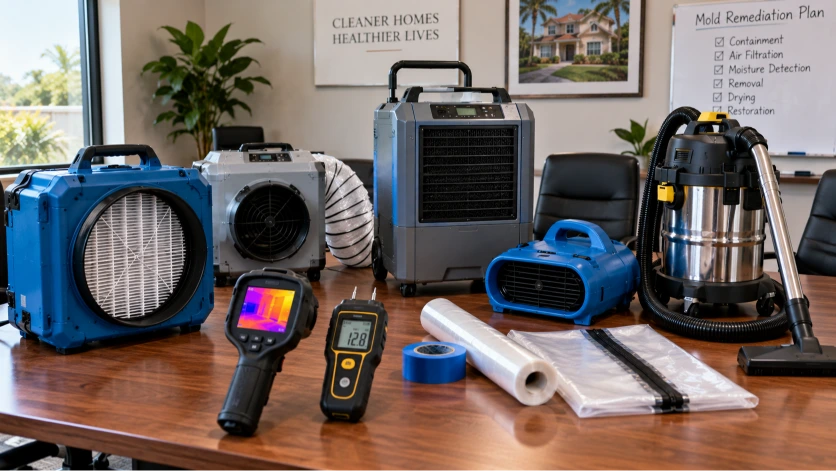
Quick Equipment Guide
Equipment | What It Does | Why It Matters |
|---|---|---|
HEPA Air Scrubber | Filters air continuously during remediation | Removes airborne spores from the work zone |
Negative Air Machine | Creates inward air pressure in the containment zone | Prevents spore spread to clean areas |
Thermal Camera | Detects temperature variation from moisture behind walls | Finds hidden mold without destructive testing |
Industrial Dehumidifier | Extracts moisture from structural materials | Prevents mold regrowth after remediation |
Moisture Meter | Measures material moisture content daily | Confirms structure is dry before closing the job |
HEPA Vacuum | Surface decontamination without re-aerosolizing spores | Removes residual spores from surfaces without spreading them |
Frequently Asked Questions
If your question is not here, call us directly at (352) 635-5435. We answer honestly, including when the answer is that Mold Removal Gainesville FL is not what your situation actually needs.
Mold Removal Case Studies — Gainesville, FL
Three representative Gainesville jobs showing how we approach different mold scenarios from first call to clearance certificate.
Case Study 1 — Bathroom Mold, Haile Plantation
Situation: Homeowner had bleached the same black spot on the bathroom ceiling three times over six months. It kept returning. Standard cleaning was treating the surface without addressing the source.
What we found: Thermal imaging identified a slow pinhole leak in the supply line inside the wall cavity behind the shower. The drywall on both sides of the wall had active mold growth that was not visible from the living side.
What we did: Contained the bathroom, removed affected drywall on both sides, coordinated plumbing repair with a licensed plumber, treated framing with antimicrobial, dried to confirmed moisture levels, and arranged independent clearance testing. Clearance passed on first test.
Timeline: 3 days from first call to clearance certificate. Insurance covered the water damage portion of the claim.
Case Study 2 — Attic Mold, Duck Pond District
Situation: Pre-purchase inspection flagged extensive mold growth on roof sheathing throughout the attic of a 1940s home. Buyers were four days from closing.
What we found: Inadequate ridge vent combined with bathroom exhaust fans venting directly into the attic rather than through the roof. The attic had been acting as a humidity trap for years.
What we did: Provided a written scope and price within 12 hours of the inspection call. Treated and cleaned roof sheathing, coordinated ventilation correction, and arranged independent clearance testing. Clearance passed within 5 days.
Outcome: Buyers negotiated a full remediation credit from the seller based on our written scope. Closed on schedule.
Case Study 3 — Crawl Space Mold, Newberry FL
Situation: Property manager received a mold complaint from a tenant in a rental property near Newberry. Musty odor throughout the home, worst in the living room on the first floor.
What we found: Crawl space had no vapor barrier and standing water in two low points after recent rain. Joists and subfloor had active Cladosporium growth across approximately 60% of the crawl space area.
What we did: Sealed crawl space access, contained, treated all affected wood surfaces, installed a full perimeter vapor barrier, recommended a crawl space dehumidifier, and arranged independent clearance testing.
Timeline: 3 days of active remediation plus 1 day for clearance testing. Property manager had a clear certificate to provide the tenant within 5 days of the first call.
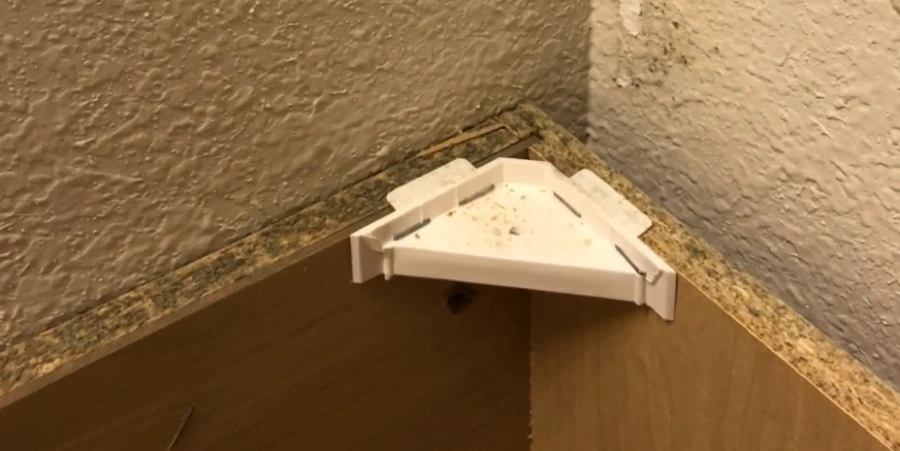
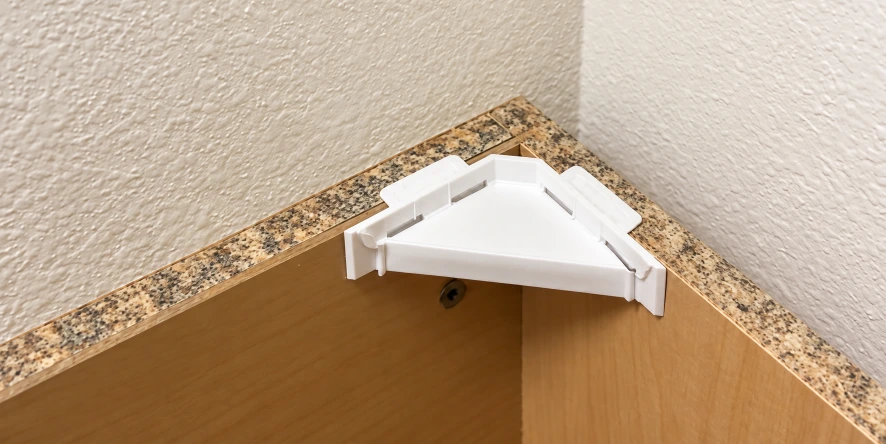
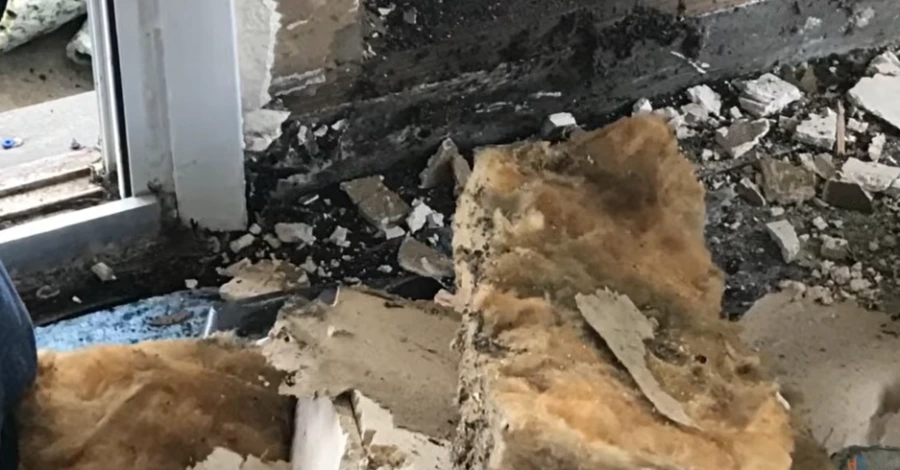
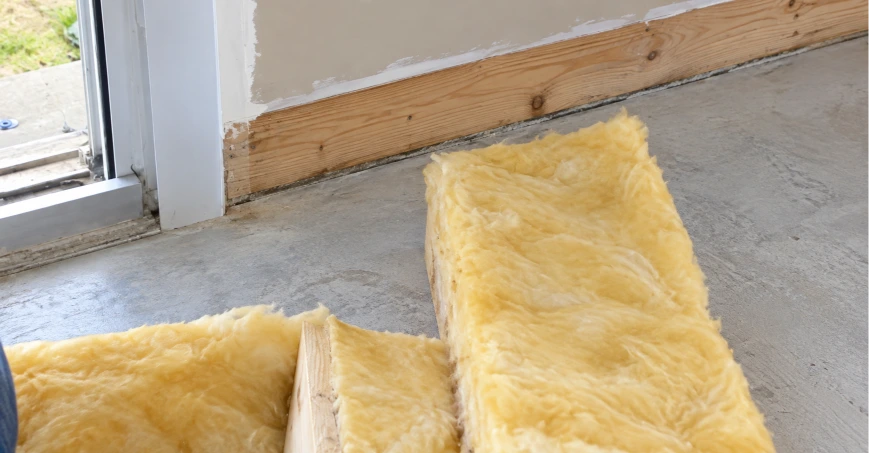
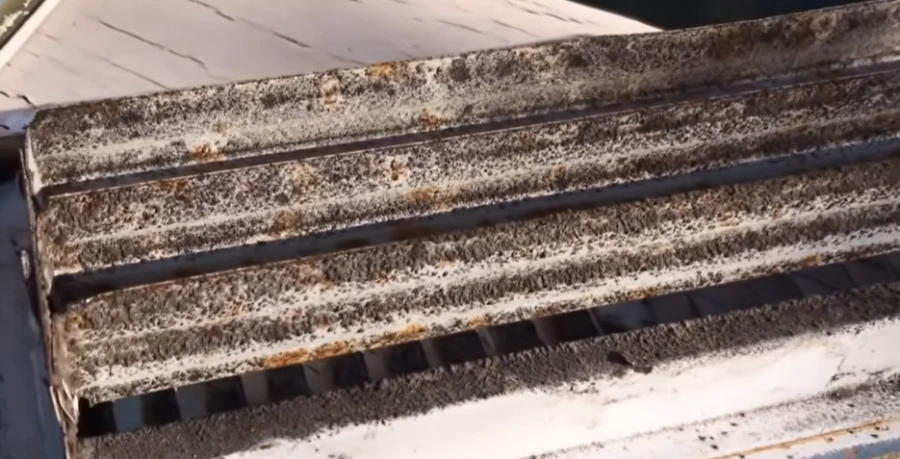
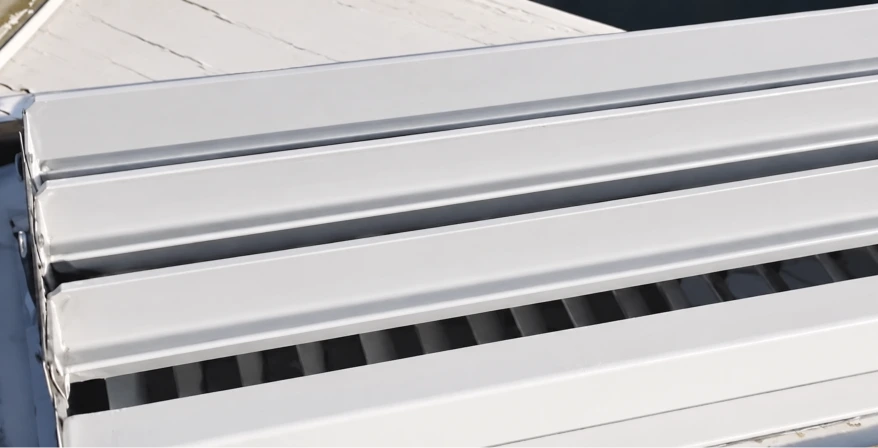
Mold Removal Results — Before & After Photos
Every Mold Removal Gainesville FL job is documented with timestamped photos before containment goes up and after the property clears independent testing. What you see is real scope and real results.
Before
After
Before
After
Before
After
How to Identify Mold
How do I know if I have mold in my home? Mold is not always visible. In one of the most humidity-prone cities in Florida — from historic homes near Depot Park and Sweetwater Branch to newer builds in Haile Plantation and Tioga — Mold Removal Gainesville FL specialists see hidden growth inside wall cavities, under flooring, and in attic spaces before it becomes visible or before anyone connects it to the persistent runny nose or headaches affecting the household. Knowing what to look and smell for puts you ahead of the problem.
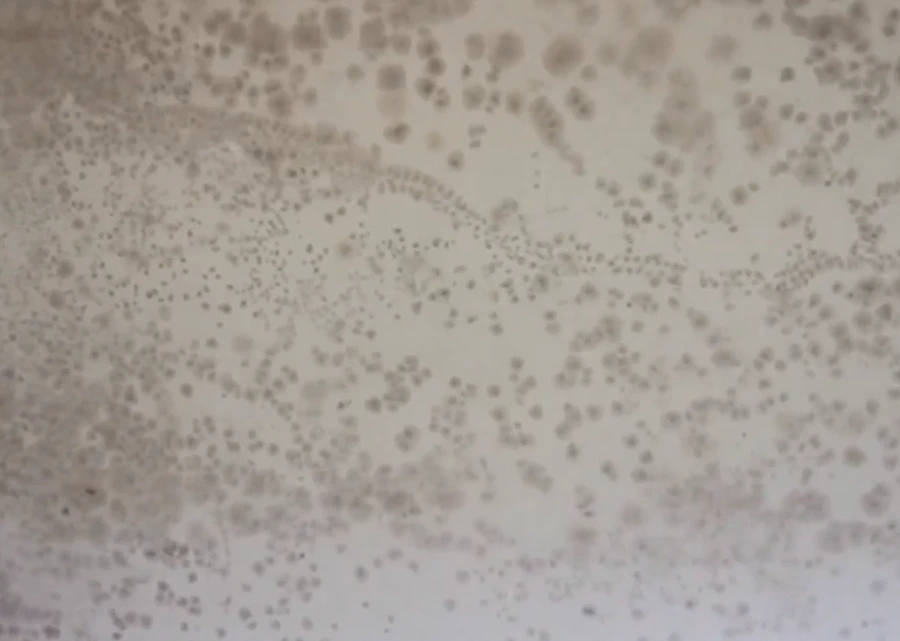
Early Signs
These are the signals that something is wrong, even when there is nothing to see. A persistent musty or earthy odor that is strongest in specific rooms, closets, or near HVAC vents
- Visible discoloration — black, green, grey, or white spots — on walls, ceilings, grout lines, or around window frames
- Peeling paint, bubbling wallpaper, or warped drywall that cannot be explained by age alone
- Water stains — even dried or old ones — indicating past moisture intrusion
- Allergy-like symptoms — sneezing, runny nose, itchy eyes, skin irritation — that improve noticeably when you leave the house for more than a day
- Worsening asthma in a household member with no other obvious trigger
These are the signals that something is wrong, even when there is nothing to see:
Quick Checks You Can Do
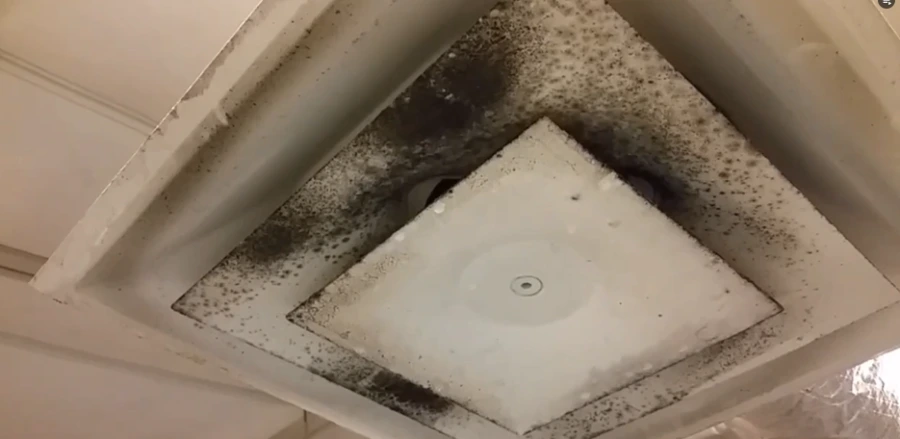
These are the most common places mold hides in Gainesville homes:
- Behind and under furniture — pushed against exterior walls especially in rooms with AC vents
- Inside bedroom — and linen closets built against exterior walls smell before you look
- Under bathroom and kitchen sinks — check the cabinet floor and back wall
- Your AC closet and air handler — check the drip pan and around the coil
- Attic access hatch — open it and look at the underside of the roof sheathing
- Crawl space if your home has one — ground moisture and inadequate vapor barriers are the leading mold source in Gainesville homes
- Check your indoor humidity — anything above 60% RH for extended periods creates conditions where mold can establish
Types of Mold You’ll Find in Gainesville FL
What types of mold are common in Gainesville, FL? Gainesville mold removal professionals see a consistent pattern driven by the city’s humid subtropical climate, older housing stock, and high-density rental properties create favorable conditions for a range of mold species. Knowing which species are present matters because different species carry different health risk profiles and respond differently to treatment protocols.
Aspergillus Mold
Aspergillus is among the most common indoor molds found in Florida. It appears in dozens of species, ranging in color from yellow-green to brown to black, and grows readily on building materials, dust, and HVAC components. Most healthy adults experience limited effects from typical Aspergillus exposure, but immunocompromised individuals and those with pre-existing lung conditions face serious risks. Certain Aspergillus species produce aflatoxins — mycotoxins with known toxicity.
Penicillium Mold
Penicillium typically presents as blue-green or teal-colored growth with a powdery texture. It spreads rapidly on water-damaged carpet, wallpaper, insulation, and drywall, and is one of the species most frequently encountered in Gainesville’s UF-area rental properties after minor water events. Penicillium is a significant allergen and a common trigger for allergy and asthma symptoms. Its rapid spread after water damage is one of the strongest reasons for same-day or next-day remediation response.
Fusarium Mold
Fusarium is distinctive because it thrives in cooler, wetter conditions than most molds — making it common in air-conditioned spaces in Florida. It often presents as pink, red, or white growth and is found on water-damaged carpet, inside wall cavities, and beneath flooring. Some Fusarium species produce mycotoxins including trichothecenes and fumonisins. Fusarium is also capable of causing infections in immunocompromised individuals, making it a species that warrants prompt professional response.
Cladosporium Mold
Cladosporium is olive-green to black with a suede-like texture and is one of the most common both outdoors and indoors in Gainesville. It grows readily on porous materials including wood, fabric, carpet, and the inside of HVAC ductwork. Because it grows at lower temperatures than many other species, it is frequently found in air-conditioned spaces where condensation forms on walls or ducts. Cladosporium is a major allergen and one of the most frequent triggers for respiratory symptoms in Gainesville households.
Stachybotrys Mold
Stachybotrys chartarum (black mold) requires prolonged moisture to establish — its presence signals a serious, ongoing water problem, not a brief moisture event. It grows as slimy dark greenish-black patches on drywall paper, wood, and ceiling tiles that have been wet for an extended period. It produces trichothecene mycotoxins that can cause respiratory irritation, chronic fatigue, and neurological symptoms with sustained exposure. Remediation requires strict containment protocols, HEPA filtration, and specialized equipment
Alternaria Mold
Alternaria is dark green or brown with a velvety texture and is extremely common in Gainesville — both as one of the most prevalent outdoor molds in North Central Florida and as a frequent indoor colonizer of damp bathrooms, under sinks, and in shower areas. It spreads quickly and is a well-documented allergen and asthma trigger. Unlike Stachybotrys, Alternaria does not require prolonged moisture — a recurring minor leak or consistently high bathroom humidity is sufficient for it to establish.
What can I do if my landlord won’t remove mold?
Florida law requires landlords to maintain habitable conditions, which includes addressing mold. Document the problem in writing with photos and dates, submit a formal written repair request, and commission an independent professional inspection. A documented report from a licensed assessor carries far more weight than a verbal complaint when dealing with property managers or housing authorities in Alachua County.
Hazards from Mold Contamination
What health and property risks does mold actually cause? Mold in a Gainesville home is not primarily an aesthetic problem. It creates real, measurable risks across four categories: health, financial, structural, and psychological. Understanding the full picture is what separates an informed decision from a deferred one.
Health Risks of Mold Exposure
Mold exposure can trigger respiratory symptoms, allergic reactions, skin irritation, and chronic fatigue — with severity depending on the species, exposure duration, and individual sensitivity. People with asthma, compromised immune systems, or pre-existing lung conditions face significantly higher risk and should vacate affected areas until professional clearance testing confirms the space is safe.
Respiratory Problems & Asthma
Mold spores are respiratory irritants. Even species that do not produce mycotoxins cause inflammation of the airways when inhaled in sufficient concentrations. For people with asthma, mold exposure is one of the most well-documented triggers for acute episodes. Prolonged exposure in a contaminated home can worsen baseline lung function and increase the frequency and severity of attacks. Children growing up in homes with sustained mold exposure have measurably higher rates of asthma onset than children in clean indoor environments.
Allergies & Skin Irritation
Mold is one of the most potent indoor allergens. Typical mold allergy symptoms — sneezing, runny nose, nasal congestion, itchy and watery eyes, and skin rashes — are frequently misdiagnosed as seasonal pollen allergies. The key clinical indicator is that symptoms improve noticeably when the individual leaves the home for an extended period and return upon reentry. Skin contact with mold-affected materials can also cause localized irritation, redness, and in some cases hives.
Headaches, Fatigue & Weak Immunity
Sustained low-level mold exposure is associated with persistent non-specific symptoms that are frequently attributed to stress, poor sleep, or unrelated illness. These include daily headaches, chronic fatigue, difficulty concentrating, and a general sense of feeling unwell that does not resolve with rest. In cases involving mycotoxin-producing species such as Stachybotrys or certain Aspergillus or Fusarium strains, the systemic effects can be significantly more pronounced. Mycotoxin exposure suppresses immune function, which affects the body’s ability to respond to ordinary infections.
Serious Risks for Children & Elderly
Children’s lungs are still developing, and their immune systems have less capacity to respond to repeated mold exposure. Infants in mold-contaminated environments have higher rates of respiratory illness, ear infections, and — based on several longitudinal studies — increased likelihood of developing asthma and allergic disease. Elderly adults with reduced immune function, existing pulmonary conditions, or cardiovascular disease face disproportionate health risks from the same exposure levels that a healthy adult in the same home might tolerate without obvious symptoms.
Economic / Financial Risks of Mold
Mold discovered during a home inspection can stall or collapse a real estate transaction, reduce property value, and trigger disclosure obligations that follow the property on record. Left unaddressed, active mold growth damages structural materials including drywall, wood framing, and subfloor, turning a contained remediation job into a full structural repair at five to ten times the original cost.
Decrease in Property Value
Florida law requires sellers to disclose known mold problems. A documented mold history, even one that has been remediated, affects buyer negotiations and can reduce sale price by 10 to 20 percent if the remediation is not supported by a clearance certificate and a credible workmanship warranty. A properly documented remediation with a clearance certificate and warranty is what converts a liability disclosure into a manageable item on the seller’s disclosure form rather than a deal-breaker.
Expensive Structural Repairs
Mold digests organic building materials. Drywall paper, wood framing, OSB sheathing, and subfloor materials actively degrade under mold colonization. A small contained job addressed promptly may require the removal and replacement of a single sheet of drywall. The same problem left for six to twelve months can require the removal of floor joists, replacement of subfloor, and remediation of framing, multiplying the cost by a factor of five to ten or more. Delayed action is not a cost-saving decision.
Higher Medical Expenses
The cumulative medical cost of living in a mold-contaminated home is rarely calculated but consistently underestimated. Repeated primary care visits for persistent allergy and respiratory symptoms, specialist referrals to allergists or pulmonologists, prescription medications, and missed work days compound quickly, particularly for households with children experiencing frequent respiratory infections or asthma flare-ups. In situations involving mycotoxin-producing species, the health consequences can be severe enough to generate ongoing specialist care and testing costs that far exceed the original cost of professional remediation.
Insurance Claim Complications
Florida insurers are permitted to deny mold claims when the damage is attributable to maintenance neglect rather than a sudden covered event. A homeowner who was aware of a mold problem and did not address it, or who addressed it with DIY cleaning without professional documentation, can find that coverage which would have applied to the original event no longer applies. Prompt professional response with documented cause-and-extent reporting is the difference between a payable claim and a denied one.
Property & Structural Damage
Mold does not stay on the surface. Once it establishes in drywall, wood framing, or subfloor materials, it breaks down the structural integrity of those materials from the inside, and what begins as a surface contamination problem becomes a load-bearing repair problem if remediation is delayed beyond six to twelve months.
Wall, Ceiling & Flooring Damage
Active mold growth breaks down the cellulose and organic binders in drywall, rendering it structurally degraded and unable to be salvaged. Wood framing and subfloor materials colonized by mold lose structural integrity over time. What begins as a surface discoloration becomes a materials replacement project, and what begins as a contained materials replacement project becomes a structural remediation if left long enough. The deterioration is progressive and does not stabilize on its own.
HVAC System Contamination
An HVAC system that draws air from a mold-affected space becomes a distribution network. Spores that enter the air handler settle on coils, drain pans, and duct surfaces — and are redistributed throughout the property every time the system cycles. A remediated room can be recontaminated within days by an HVAC system that was not cleaned as part of the scope. This is why we evaluate HVAC involvement on every job and include duct cleaning in the scope when evidence warrants it.
Furniture & Belongings Loss
Upholstered furniture, mattresses, books, clothing, and soft goods that have been exposed to mold for extended periods typically cannot be adequately decontaminated. Mold penetrates into the fibers and foam of upholstered materials and cannot be removed by surface cleaning. In significant mold events, particularly those involving Stachybotrys or extensive Penicillium or Cladosporium growth, total loss of soft furnishings in the affected area is common. Documenting these losses at the time of remediation is necessary for insurance claims and should be completed by the licensed remediator before any materials are removed from the property.
Stress, Anxiety & Mental Impact
The experience of discovering significant mold in your home carries a psychological weight that is consistently underacknowledged. Uncertainty about health risk, the cost of remediation, potential displacement from your home during the work, concern for children or elderly family members, and the disruption of daily life all compound simultaneously. Homeowners dealing with mold-related insurance claims or real estate complications describe the experience as one of the most stressful property events they have encountered. A clear remediation plan, honest timeline, and documented clearance are what reduce that uncertainty to something manageable
Is black mold harmful to breathe in?
Yes. Inhaling black mold spores can trigger respiratory irritation, allergic reactions, and worsened symptoms in people with asthma or compromised immune systems. Persistent cough, sneezing, and fatigue that improves noticeably when you leave the building are the most common early warning signs. This is not a situation to wait out.
DIY vs Professional Mold Removal
Can I remove mold myself, or do I need a professional? The appeal of handling mold yourself is understandable, but most homeowners who call a Mold Removal Gainesville FL professional do so after a DIY attempt that did not hold. The products are available at any hardware store, the cost seems lower, and the job looks straightforward. Understanding why DIY consistently fails — and what the real costs are — may be the most useful thing you read before making that decision.
DIY Risks
Health Risks of DIY Mold Removal
Disturbing mold without proper containment and personal protective equipment causes a concentrated release of spores into the air — often orders of magnitude higher than the baseline spore count in the affected room. Without a minimum N-95 respirator, goggles, and disposable coveralls, the person doing the cleaning is the most exposed individual in the home during and after the work. For anyone with asthma, allergies, or immune compromise, DIY mold cleaning carries a meaningful acute health risk.
Economic Risks of DIY
When insurance is involved, amateur remediation can eliminate the claim. Florida insurers can deny mold claims when the damage has been disturbed by a non-professional before the claim is documented, or when DIY attempts have complicated the cause-and-extent picture. Beyond insurance, DIY cleaning that does not address the moisture source results in recurrence often within weeks. By the time a professional is called in after one or more DIY attempts, the scope of the job is typically larger and more expensive than it would have been on first response.
Why DIY Often Fails
Bleach kills surface mold on non-porous materials. It does not penetrate porous materials like drywall or wood, where the mold hyphal network extends below the surface. Spraying bleach on moldy drywall kills the top layer of growth visible to the eye while leaving the root structure intact. Within days or weeks the growth resurfaces, often in the same location and sometimes more extensive. Additionally, without moisture meters or thermal cameras, DIY cleaning addresses only the visible affected area missing the often larger area of hidden growth behind walls or under floors that is the actual source of the problem.
Professional Benefits
Benefits of Professional Remediation
- Source identification — every job starts by finding and documenting the moisture source, not just the mold
- Full containment — spores stay in the work zone, not spread to clean areas
- HEPA equipment rated to 0.3 microns — removes spores DIY equipment cannot
- Antimicrobial treatment that kills mold at the hyphal root, not just the surface
- Structural drying confirmed by daily moisture readings
- Licensed technicians accountable under Florida Chapter 468
- Independent post-clearance verification — documented proof the job is complete
- Written report accepted by insurance adjusters and real estate agents
- Workmanship warranty — if mold returns from our remediation, we come back
- 24/7 emergency response for active water events and contamination. The faster containment is established, the smaller the remediation scope.
- Single point of contact from first inspection through final clearance report. No handoffs, no subcontractors, no confusion about who is responsible for the outcome.
When to Call Pros Immediately
- Any mold visible area larger than approximately 10 square feet
- Any mold inside HVAC ducts or the air handler
- Any black or slimy mold growth regardless of size
- Mold that has returned after previous cleaning attempts
- Any household member with asthma, allergies, or immune compromise
- Any mold found during pre-purchase inspection
- Any situation where a mold event needs to be documented for insurance
Factor | DIY Mold Cleaning | Professional Remediation |
|---|---|---|
Moisture source identified | Rarely | Always — documented in writing |
Containment | None | Full barrier + negative air pressure |
Treatment depth | Surface only | Hyphal root level on all surfaces |
Post-clearance testing | None | Independent lab sampling |
Insurance documentation | Not accepted | Full written report |
Mold likely to return | High | Low — moisture source fixed |
Health risk during work | High without proper PPE | Minimal — contained environment |
What causes mold to return after previous cleanup?
The moisture source was never addressed. Mold is always a symptom of a water problem — a leak, condensation issue, or ventilation gap. Clean the surface without fixing the underlying cause and mold re-establishes within weeks, often worse than before because spores are now airborne throughout the space.
Gainesville Restore has delivered trusted mold removal Gainesville FL to homeowners and property managers across Alachua County since 2014 with one consistent standard. Every job is documented, every moisture source is identified, and no work begins without a written scope in hand. Whether you are dealing with a musty smell in a crawl space, visible growth after a plumbing leak, or a failed air quality test before closing on a property, our licensed team brings the right equipment and the right process to every call.
When you search for mold removal near me in Gainesville or the surrounding Alachua County area, same-day service is available throughout Gainesville, Alachua, High Springs, Newberry, Archer, and Micanopy — and Mold Removal Gainesville FL homeowners can reach us seven days a week. When the job is complete, you receive timestamped photos, confirmed moisture readings, and an independent clearance report that stands up to insurance adjusters, real estate attorneys, and future buyers. If you are ready to resolve the problem the right way, call us or request a free assessment online and we will take it from there.